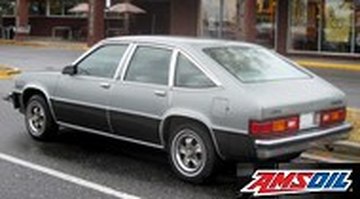
Engine Lubrication and Service for the 1982 Chevrolet CITATION 2.5L
Maintaining a vehicle from the early 1980s requires a proactive approach to fluid management and mechanical inspection. For the 1982 Chevrolet CITATION equipped with the 2.5L engine, consistent attention to lubrication is a fundamental aspect of long-term ownership. Because older engines often operate under different thermal and mechanical stresses than modern counterparts, understanding how to monitor and maintain your lubrication system is essential for preserving engine health.
Monitoring Fluid Integrity and Consumption
One of the most effective ways to monitor the condition of a 2.5L engine is through regular observation of fluid levels and appearance. Rather than waiting for a warning indicator, an owner can gain significant insight by performing periodic checks. If you notice a decrease in oil levels between service intervals, it warrants a closer investigation into potential sources of loss.
When inspecting the engine bay, look for signs of seepage around various sealing surfaces. While some minor weeping may occur as gaskets and seals age, excessive leakage can lead to critical fluid shortages. Additionally, pay attention to the color and texture of the oil on the dipstick. Oil that appears excessively dark, gritty, or contains visible particulates should be addressed promptly. If the lubricant appears milky or cloudy, this can be associated with coolant entering the lubrication system, which requires immediate professional diagnosis.
It is also useful to observe the vehicle's exhaust during operation. While exhaust characteristics can be influenced by many factors, certain changes in smoke color may indicate that oil is entering the combustion process. Any sudden change in how the engine sounds or behaves shortly after a service should be noted and investigated to ensure all components were correctly reassembled.
Prioritizing Maintenance Based on Current Condition
For an owner of a 1982 Chevrolet CITATION, maintenance decisions are often most effective when based on the actual condition of the vehicle rather than strictly on its age. While time can affect rubber components and seals, the specific way a vehicle has been driven and stored plays a massive role in its current requirements.
If you are stepping into ownership of this vehicle without a complete service history, establishing a maintenance baseline is a logical first step. This involves performing a comprehensive inspection of all vital fluids and components to determine their current state. Once a baseline is established, you can transition from reactive repairs to a more structured preventive approach. Priorities should be set by addressing any active leaks or visible signs of wear first, followed by routine tasks like air filtration and fluid changes.
Keeping detailed records of every oil change, filter replacement, and mechanical repair is highly beneficial. These records allow you to track patterns—such as how quickly a specific component wears or how often the engine consumes lubricant—which helps in making informed decisions about future repairs versus replacements. A well-documented history can also assist a technician in diagnosing complex issues more efficiently.
Inspecting Aging Engine Components
As vehicles age, certain peripheral components require more frequent visual inspections to ensure they remain functional. For the 1982 Chevrolet CITATION, this includes checking various hoses and belts, if equipped. Rubber-based components are susceptible to environmental factors such as heat cycles and ozone exposure, which can lead to cracking, glazing, or fraying.
If equipped, inspect accessible drive belts for any signs of deterioration. A belt that shows signs of excessive wear may eventually fail, potentially impacting the operation of engine accessories. Similarly, if hoses are present in the engine compartment, check them for softness, brittleness, or bulging. Any evidence of weeping at connection points or clamps should be addressed to prevent sudden loss of coolant or other vital fluids.
Electrical connections and wiring harnesses also benefit from periodic inspection. Over several decades, insulation can become brittle, and connectors may develop corrosion. Ensuring that electrical paths remain clean and secure helps prevent intermittent issues that can mimic mechanical failures. Checking the condition of the air filtration system is another simple but effective way to ensure the engine is receiving clean air, which directly impacts the longevity of internal components.
The Role of Lubrication in Engine Longevity
Engine oil performs several vital roles that extend far beyond simply reducing friction. It acts as a medium for heat management, helping to carry thermal energy away from high-temperature areas within the engine block and head. Furthermore, modern lubricant formulations are designed with advanced additives that assist in deposit control, helping to prevent the buildup of sludge and other contaminants that can interfere with mechanical movement.
Effective lubrication also provides a protective barrier against oxidation and wear. By maintaining a consistent film between moving parts, the oil helps mitigate the impact of metal-on-metal contact. For an older engine like the 2.5L in this Chevrolet CITATION, ensuring that the lubricant remains chemically stable and free from excessive contamination is key to preventing long-term mechanical degradation.
Practical Steps for Effective Ownership
Successful long-term ownership of a classic vehicle involves distinguishing between necessary preventive maintenance and unnecessary parts replacement. Not every aging component requires immediate attention; instead, focus on components that show actual signs of wear or those that are critical to the engine's immediate operation. By monitoring changes in fluid condition and observing how the engine responds to different operating conditions, you can develop a customized maintenance rhythm that suits your specific vehicle.
Regularly cleaning the engine bay can also be a helpful maintenance tactic. A clean engine makes it much easier to spot new leaks or cracks in hoses that might otherwise be hidden by accumulated grime and oil spray. This visual clarity is one of the best tools an owner has for early detection of potential issues.
Buying Engine Oil for your 1982 Chevrolet CITATION 2.5L
When it is time to replenish your engine's lubricant, accuracy in selection is paramount. You should not rely on general automotive knowledge or assumptions based on the vehicle's age to determine which oil to purchase. Instead, match the engine oil to the application-specific viscosity information already displayed on this webpage.
Before making a purchase, carefully check the product labeling to ensure the oil meets the appropriate API certification for your needs. Depending on the current condition of your engine and your driving habits, you may choose between conventional, synthetic blend, or full synthetic formulations. For engines with higher mileage that show signs of aging seals, some high-mileage oil formulations contain additives intended for use in aging engines, including seal-conditioning additives. Always verify that the product you select aligns with the specific requirements provided in the application data above to ensure optimal protection and performance for your 1982 Chevrolet CITATION 2.5L.